


Sahin Boydas
Random theme
Select theme
Back to all articles

The Best Books for Startup Founders in 2026

Discover the essential books for startup founders in 2026. This curated list from serial entrepreneur Sahin Boydas covers AI-first strategies, scaling, and more.

By #1 Most Active Angel Investor in 2024, per Lenny's Newsletter

Published 6 min read1,788 words

The best books for startup founders in 2026 are The Lean Startup by Eric Ries, Zero to One by Peter Thiel, The Hard Thing About Hard Things by Ben Horowitz and Scaling People by Claire Hughes Johnson. Together they cover testing an idea, building something new, surviving as CEO and scaling a team, alongside an AI-first product strategy.

As an entrepreneur and investor, I'm often asked for my recommended startup books. While many classics remain invaluable, the rapid evolution of technology and business models means a founder's reading list must also evolve. The right books don't just offer advice; they provide mental frameworks for making better decisions under pressure. This list for 2026 is built from my experience seeing what works, what doesn't, and what principles endure across the 234 startups I've invested in.

The Definitive 2026 Reading List for Founders

Here are the books I believe are essential for any founder serious about building a resilient and impactful company in today's market. I've ordered them based on the typical journey of a startup, from ideation to scaling.

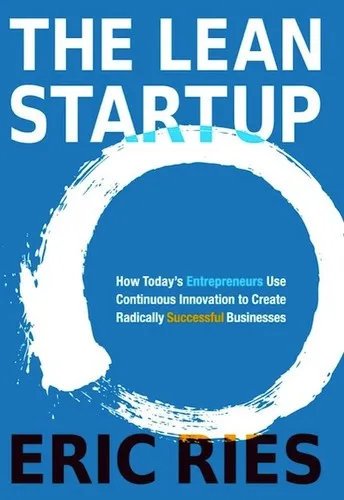
1. *The Lean Startup* by Eric Ries

Yes, it's a classic, but its relevance has only grown. The core principles of validated learning, the Build-Measure-Learn feedback loop, and the concept of a Minimum Viable Product (MVP) are more critical than ever in a capital-constrained environment. Too many founders still fall in love with their initial idea without testing its core assumptions. This book is the foundational text for building a business in a capital-efficient way, a lesson I reinforce constantly. If you haven't read it, start here. If you have, it's time for a reread with a 2026 lens.

In my 234 investments, the startups that adhered to these principles were often the ones that succeeded. Eric Ries's approach cuts through the noise and focuses on what truly matters — learning quickly and efficiently, which is a crucial skill for any founder in today's fast-paced environment.

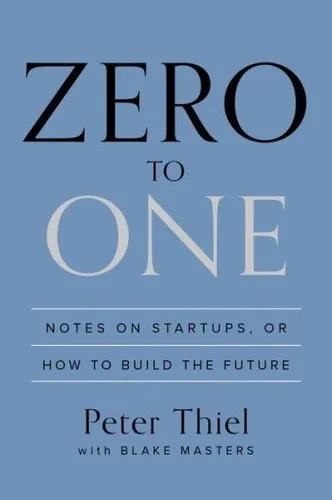
2. *Zero to One* by Peter Thiel

Thiel's work is a masterclass in thinking about innovation and competition. His central question—"What important truth do very few people agree with you on?"—is the bedrock of any truly disruptive venture. This book challenges you to move beyond incremental improvements and build something entirely new, a "1" where there was previously a "0". It's a powerful antidote to the copycat culture that can permeate parts of Silicon Valley and is a must-read for anyone wanting to build a monopoly, not a commodity. For a deeper dive on this, you might find my thoughts on developing a unique value proposition useful.

As a 2x exited founder, I can attest that the insights from this book have been instrumental in differentiating my startups in crowded markets. It's not just about doing things better than competitors; it's about doing things differently.

3. *AI-First: The Playbook for Modern Product Strategy* (A Fictional 2025 Title)

While this specific book is a placeholder for the wave of AI-centric strategy guides, the concept is vital. In 2026, you cannot have a product strategy that isn't AI-first. This means going beyond simply adding a chatbot to your website. It involves rethinking your core product, data acquisition, and user experience around the capabilities of modern AI. The best book on this topic will provide frameworks for identifying opportunities where AI can create a "moat" for your business, making it defensible against competitors.

Pro Tip: When evaluating AI strategies, focus on data moats. The best AI products get better with more data, creating a virtuous cycle. Ask yourself: how does my product get smarter with every user interaction? That's the key to a long-term competitive advantage.

In my experience, startups that integrate AI effectively are not only more efficient but also more scalable, providing a significant edge in today's market.

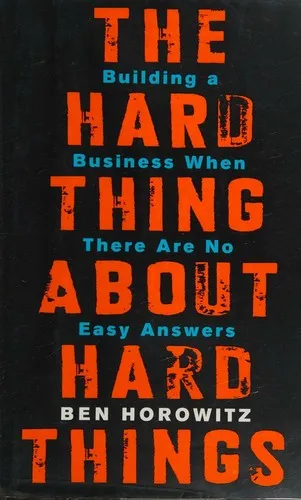
4. *The Hard Thing About Hard Things* by Ben Horowitz

No other book prepares you for the brutal reality of being a CEO. Horowitz doesn't sugarcoat the loneliness, the gut-wrenching decisions, and the psychological toll of running a startup. He provides practical, unfiltered advice on everything from firing loyal employees to managing your own psychology during the inevitable "struggle." I recommend this to every founder I mentor because it’s the closest you can get to experiencing the hardships of leadership without living through them yourself. It’s a necessary dose of reality and a guide for working through the founder's journey.

This book is like having a candid conversation with a seasoned mentor who has been through the trenches. It prepares you mentally and emotionally for the rocky road ahead.

5. *Scaling People: Tactics for Management and Company Building* by Claire Hughes Johnson

Once you find product-market fit, your biggest challenge shifts from product to people. Johnson, a former Stripe and Google executive, provides the most actionable framework I've seen for scaling an organization. The book covers everything from effective 1-on-1s and performance reviews to designing your org chart and communication cadences. As someone who built and scaled RemoteTeam.com, I can attest that getting the "people" part right is the hardest and most important part of building an enduring company.

A high-performing team can elevate a startup to new heights, while a dysfunctional team can lead to its downfall. This book is your guide to navigating those complexities.

Embracing Modern Challenges with Timeless Wisdom

The Intersection of AI and Entrepreneurship

Incorporating AI into your startup is not just an option anymore; it's a necessity. The most successful startups in 2026 will be those that have seamlessly integrated AI to enhance their offerings and operational efficiency. Books that delve into AI strategies provide the knowledge to leverage this technology effectively. For instance, understanding machine learning and data science can empower you to design products that learn and adapt over time, creating a more personalized and engaging user experience.

Building Resilience in a Startup Culture

Resilience is an often-overlooked quality in startup culture but is crucial for long-term success. The ability to bounce back from setbacks and persist in the face of adversity is what separates successful founders from the rest. Books that focus on mental toughness and emotional intelligence are invaluable resources for developing this resilience. From my experience, startups that cultivate a resilient culture are better equipped to handle the inevitable highs and lows of the entrepreneurial journey.

The Role of Continuous Learning

In today's rapidly changing business environment, continuous learning is not just a competitive advantage; it's a necessity. Encourage your team to engage in lifelong learning through books, articles, workshops, and online courses. This approach not only keeps your team updated with the latest industry trends and technologies but also fosters a culture of innovation and adaptability. As a leader, model this behavior by sharing insights from your reading and encouraging open discussions within your organization.

Beyond the Books: Applying the Knowledge

Reading is only the first step. The real value comes from applying these concepts to your own business. I suggest creating a simple system: after each chapter, write down one to three concrete actions you can take in your startup based on what you just learned. Discuss these ideas with your co-founders or leadership team. This turns passive reading into an active tool for growth.

Key Takeaway: Don't just be a reader; be a practitioner. Schedule time to translate insights from your founder reading into specific experiments, process changes, or strategic discussions within your company. Knowledge is useless without execution.

Building a Culture of Learning

Finally, the best founders don't just read themselves; they build a culture of learning across their entire organization. Encourage your team to read, share articles, and discuss ideas. A company that learns together, grows together. This shared intellectual curiosity is a hallmark of every successful startup I've been a part of.

In my startups, I’ve always prioritized creating an environment where learning is not just encouraged but celebrated. This not only leads to professional growth but also fosters a sense of camaraderie and shared purpose.

Conclusion

Your time as a founder is your most precious resource, and this curated reading list is designed to provide the highest possible ROI. These books offer the mental models and practical tactics necessary to work through the challenges of building a company in 2026. They provide a foundation in strategy, innovation, leadership, and scaling that will serve you well beyond your first startup.

FAQ

Frequently Asked Questions

Q:What are the best books for first-time startup founders?

The essential books for first-time founders are: 'The Lean Startup' by Eric Ries (methodology, published in 2011), 'Zero to One' by Peter Thiel with Blake Masters (thinking frameworks, published in 2014), 'The Hard Thing About Hard Things' by Ben Horowitz (operations), and 'Crossing the Chasm' by Geoffrey Moore (go-to-market strategy). These books offer a robust foundation in understanding the startup landscape and provide actionable insights for navigating it.

Q:What books do VCs recommend to founders?

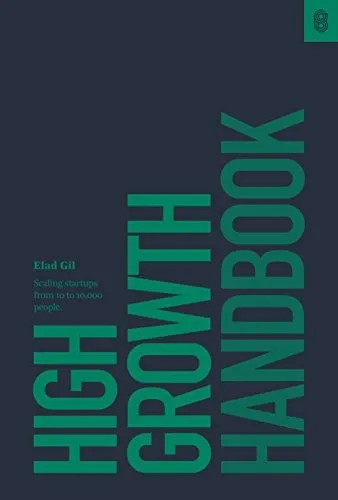
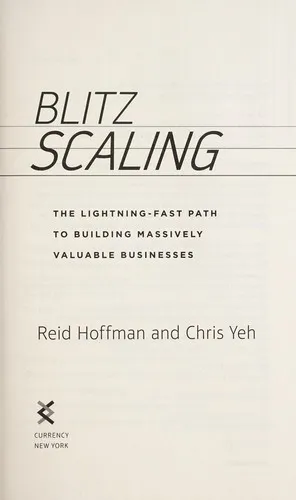
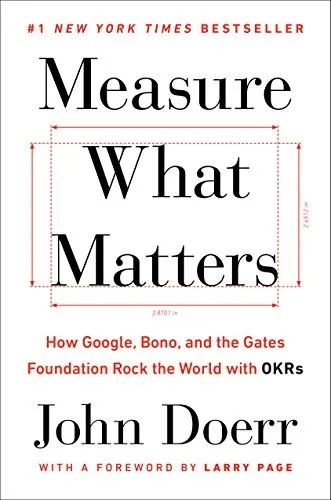
Four books by investors that founders are often pointed to are 'High Growth Handbook' by Elad Gil, 'Blitzscaling' by Reid Hoffman, 'The Cold Start Problem' by Andrew Chen, and 'Measure What Matters' by John Doerr. These focus on scaling companies, not just starting them, offering strategies for managing explosive growth and maintaining momentum.

Q:Are startup books still relevant in 2026?

Yes, but with caveats. Foundational books on strategy, psychology, and leadership remain timeless. However, tactical books about specific channels like SEO, paid ads, or social media become outdated quickly. Supplement books with current newsletters, podcasts, and direct conversations with operators to stay relevant.

Q:What's the best book for understanding fundraising?

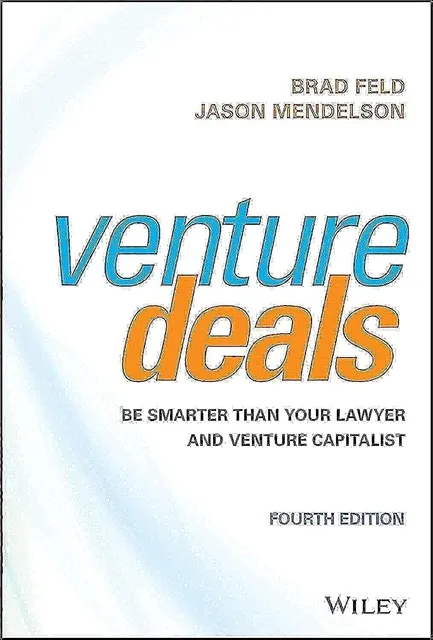
'Venture Deals' by Brad Feld and Jason Mendelson is the definitive guide to understanding term sheets and fundraising mechanics. For strategy, 'Secrets of Sand Hill Road' by Scott Kupor provides the VC perspective. For tactical advice, 'The Fundraising Rules' by Mark Peter Davis is concise and actionable, offering a comprehensive view of the fundraising landscape.

Q:Should founders read business books or biographies?

Both serve different purposes. Business books provide frameworks and tactics you can apply immediately. Biographies (like 'Shoe Dog' by Phil Knight or 'The Everything Store' about Jeff Bezos) provide pattern recognition and emotional preparation for the founder journey. Alternate between both to gain a well-rounded perspective of both strategy and the human element of entrepreneurship.

Q:How can founders stay updated with new trends in 2026?

To stay updated with new trends, founders should regularly engage with industry-specific newsletters, podcasts, and webinars. Participating in online forums and attending conferences can also provide valuable insights. Additionally, building a network of peers and mentors can help in exchanging ideas and staying informed about the latest developments in the startup ecosystem.

Written by

Sahin Boydas

Serial entrepreneur, #1 most active angel investor (Lenny's Newsletter, 2024), author of Becoming Top 1%

The books, one by one

For each book: what named reviewers, investors and teachers said about it, its Goodreads rating and videos worth watching. Quotes are word for word from the linked page, read on 24 November 2026. Goodreads counts every edition of a book together.

Cover of The Lean Startup by Eric Ries

Book 01 The 2026 list

The Lean Startup

by Eric Ries

Publisher
Crown Business, 2011
Goodreads
4.11 of 5 from 377,807 ratings

Why read it

The build-measure-learn loop, the minimum viable product and validated learning: a method for testing a business idea before spending much on it.

What people said

  • “The principles in the The Lean Startup can be applied to all businesses, regardless of industry.”

    The Personal MBA, Josh Kaufman's book review site personalmba.com ↗

  • “Eric has created a science where previously there was only art.”

    Marc Andreessen, cofounder of Andreessen Horowitz; endorsement on the publisher's page penguinrandomhouse.com ↗

  • “Ries shows us how to cut through the fog of uncertainty that surrounds startups.”

    Tom Eisenmann, Harvard Business School professor; endorsement on the publisher's page penguinrandomhouse.com ↗

Watch

The Lean Startup | Eric Ries | Talks at GoogleTalks at GoogleEric Ries presents the book at Google.
Cover of Zero to One by Peter Thiel with Blake Masters

Book 02 The 2026 list

Zero to One

by Peter Thiel with Blake Masters

Publisher
Crown Business, 2014
Goodreads
4.14 of 5 from 425,815 ratings

Why read it

Questions about secrets, monopoly and durable advantage, and an argument for building something new instead of copying what exists.

What people said

  • “Each chapter of Zero to One offers fresh insight into how we can get our jetpacks more quickly.”

    Dan Mindus, in his review for Reason magazine reason.com ↗

  • “It's substantive and intelligent on the practical questions and provocative on the bigger ones.”

    Tom MacWright, software developer, on his blog macwright.com ↗

  • “Might be the best business book I've read”

    Derek Thompson, The Atlantic, as quoted on the publisher's page penguinrandomhouse.com ↗

Watch

Peter Thiel Returns to Stanford to Share Business Tips from "Zero to One"Stanford Law SchoolThiel back at Stanford, where the book began as a course, to talk through its ideas.
Zero to One: A Talk with Tech Visionary and Entrepreneur Peter ThielBrincA moderated talk with Thiel about the book.
Cover of The Hard Thing About Hard Things by Ben Horowitz

Book 03 The 2026 list

The Hard Thing About Hard Things

by Ben Horowitz

Publisher
HarperBusiness, 2014
Goodreads
4.19 of 5 from 117,535 ratings

Why read it

What running a company under real pressure looks like, from a founder and CEO who lived it: layoffs, firing executives and managing your own psychology.

What people said

  • “Rather than focusing on the positive aspects of the experience, he highlights the difficulties of managing a company”

    Lighter Capital, startup financing company, in its review of the book lightercapital.com ↗

  • “Ben's book is a great read”

    Larry Page, cofounder of Google, as quoted on Andreessen Horowitz's page for the book a16z.com ↗

  • “The most valuable book on startup management, hands down.”

    PandoDaily, tech news site, as quoted on Andreessen Horowitz's page for the book a16z.com ↗

Cover of Scaling People by Claire Hughes Johnson

Book 04 The 2026 list

Scaling People

by Claire Hughes Johnson

Publisher
Stripe Press, 2023
Goodreads
4.24 of 5 from 1,782 ratings

Why read it

A former Stripe and Google executive's operating manual for a growing company: planning and operating rhythm, hiring, developing teams, and feedback and performance reviews.

What people said

  • “… is a practical guide to one of the hardest parts of building a technology company: scaling the organization behind the technology”

    Dor Atias, cofounder of Cycode, in his review for CTech calcalistech.com ↗

Watch

Book Talk | Scaling People: Tactics for Management and Company BuildingBrown UniversityA book talk on Scaling People at Brown University.
Claire Hughes Johnson: Scaling People - Permanent PodcastPermanent EquityA podcast interview with Claire Hughes Johnson about the book.
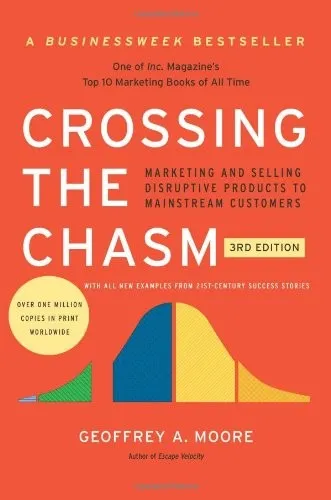
Cover of Crossing the Chasm by Geoffrey A. Moore

Book 05 From the FAQ: first-time founders

Crossing the Chasm

by Geoffrey A. Moore

Publisher
HarperBusiness, 2014 (first published 1991)
Goodreads
4.03 of 5 from 32,635 ratings

Why read it

How technology products get from early adopters to the mainstream market, and why many stall in the gap between the two.

What people said

  • “If you want to understand the technology adoption lifecycle, Crossing the Chasm is a must-read.”

    Quentin Lintz, in his review on Substack, 2024 universalset.substack.com ↗

Watch

Geoffrey Moore on finding your beachhead, crossing the chasm, and dominating a marketLenny's PodcastGeoffrey Moore on the book's core ideas, on Lenny's Podcast.
How to Cross the Chasm: An Interview with Geoffrey MooreTop Founders with Nathan LatkaAn interview with Geoffrey Moore about crossing the chasm.
Cover of High Growth Handbook by Elad Gil

Book 06 From the FAQ: what investors recommend

High Growth Handbook

by Elad Gil

Publisher
Stripe Press, 2018
Goodreads
4.07 of 5 from 2,840 ratings

Why read it

The problems a company meets after product-market fit: hiring executives, boards, scaling. Elad Gil's own chapters sit next to his interviews with operators and investors.

What people said

  • “High Growth Handbook shines as a straightforward manual for startup founders.”

    Tomasz Tunguz, venture capitalist, on his blog tomtunguz.com ↗

  • “I found the discussions of how to hire and structure executive teams and the evolution of a product organisation useful.”

    David Mytton, founder and investor, on his blog davidmytton.blog ↗

  • “Elad Gil is one of Silicon Valley's seriously knowledgeable and battle-tested players.”

    Reid Hoffman, cofounder of LinkedIn; endorsement on the book's site growth.eladgil.com ↗

Watch

Scaling Startups with High Growth with Elad GilSouth Park CommonsA conversation with Elad Gil about scaling startups, at South Park Commons.
Cover of Blitzscaling by Reid Hoffman & Chris Yeh

Book 07 From the FAQ: what investors recommend

Blitzscaling

by Reid Hoffman & Chris Yeh

Publisher
Currency, 2018
Goodreads
3.95 of 5 from 7,149 ratings

Why read it

The case for putting speed ahead of efficiency while a company grows, even when the outcome is uncertain.

What people said

  • “Of considerable interest to the entrepreneurially minded, with caveats.”

    Kirkus Reviews, book review magazine kirkusreviews.com ↗

  • “This is the best book I've ever read on how to grow a company rapidly”

    Adam Grant, Wharton professor and author; endorsement on the publisher's page penguinrandomhouse.com ↗

  • “The book the start-up world has been waiting for.”

    Brian Chesky, cofounder and CEO of Airbnb; endorsement on the publisher's page penguinrandomhouse.com ↗

Watch

Blitzscaling: The Lightning-Fast Path to Building Massively Valuable CompaniesComputer History MuseumReid Hoffman on the book at the Computer History Museum.
Reid Hoffman: The Secrets of BlitzscalingCommonwealth Club World Affairs of CaliforniaHoffman explains blitzscaling at the Commonwealth Club.
Cover of The Cold Start Problem by Andrew Chen

Book 08 From the FAQ: what investors recommend

The Cold Start Problem

by Andrew Chen

Publisher
Harper Business, 2021
Goodreads
4.18 of 5 from 4,031 ratings

Why read it

How products with network effects get started and grow, by an Andreessen Horowitz partner who earlier worked on growth at Uber.

What people said

  • “I've read a preview copy of Andrew's book, and I can tell you it's very good.”

    Lenny Rachitsky, writer of Lenny's Newsletter, as quoted on Andreessen Horowitz's page for the book a16z.com ↗

  • “I recommend Chen's book. If you're working on starting or growing a company that relies on networks, it's a must-read.”

    Bryan C. Boots, Growth Map Consulting Group, as quoted on Andreessen Horowitz's page for the book a16z.com ↗

Watch

Andrew Chen | The Cold Start Problem: How to Start and Scale Network Effects | Talks at GoogleTalks at GoogleAndrew Chen presents the book at Google.
Andrew Chen on What Startups Need to Know About the Cold Start Problem | Upfront Summit 2022Upfront VenturesChen on the cold start problem at the Upfront Summit 2022.
Cover of Measure What Matters by John Doerr

Book 09 From the FAQ: what investors recommend

Measure What Matters

by John Doerr

Publisher
Portfolio, 2018
Goodreads
3.98 of 5 from 40,124 ratings

Why read it

Objectives and key results (OKRs): how the goal-setting system John Doerr learned at Intel and brought to Google works, with case studies.

What people said

  • “John has helped spread OKRs from Intel, where he learned the technique from the legendary Andy Grove”

    Reid Hoffman, cofounder of LinkedIn, in his post on the book reidhoffman.org ↗

  • “John Doerr makes Andy Grove a mentor to us all.”

    Jim Collins, author of Good to Great; endorsement on the publisher's page penguinrandomhouse.com ↗

  • “John Doerr has taught a generation of entrepreneurs and philanthropists that execution is everything.”

    Sheryl Sandberg, then COO of Facebook; endorsement on the publisher's page penguinrandomhouse.com ↗

Watch

Why the secret to success is setting the right goals | John Doerr | TEDTEDJohn Doerr's TED talk on OKRs, the idea of the book.
OKRs Explained, with John DoerrWhat MattersDoerr explains OKRs in four minutes, from the book's own channel.
Cover of Venture Deals by Brad Feld & Jason Mendelson

Book 10 From the FAQ: fundraising

Venture Deals

by Brad Feld & Jason Mendelson

Publisher
Wiley, 2019 (first published 2011)
Goodreads
4.11 of 5 from 17,515 ratings

Why read it

The standard explanation of a venture term sheet. It separates the terms that decide economics (valuation, liquidation preference, option pool, conversion) from the ones that decide control (board seats, protective provisions, voting), and explains each from both sides of the table.

What people said

  • “This book is a serious, dense read, but it is full of wisdom that every entrepreneur should know.”

    Lighter Capital, startup financing company, in its review of the book lightercapital.com ↗

Watch

Brad Feld of Foundry Group & TechStars Discusses "Venture Deals"John GreathouseBrad Feld on the book and why he and Jason Mendelson wrote it.
Venture Deals Talks Term Sheets and Liquidation Preferences with Jason MendelsonKauffman Fellows AcademyJason Mendelson on term sheets and liquidation preferences.
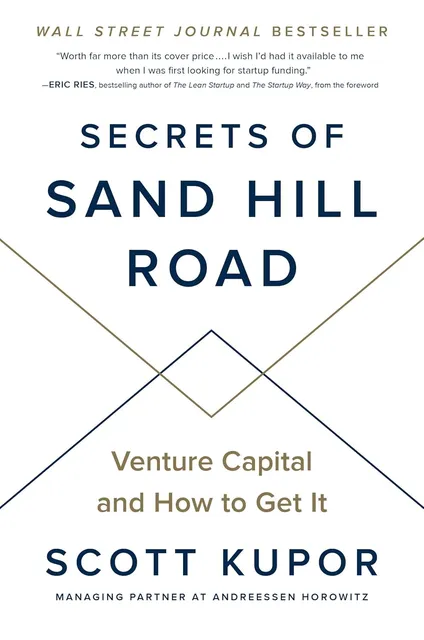
Cover of Secrets of Sand Hill Road by Scott Kupor

Book 11 From the FAQ: fundraising

Secrets of Sand Hill Road

by Scott Kupor

Publisher
Portfolio, 2019
Goodreads
4.22 of 5 from 4,402 ratings

Why read it

Written by a long-time partner at Andreessen Horowitz, it explains how venture funds raise money, how they get paid and what they need from each investment.

What people said

  • “Worth far more than its cover price”

    Eric Ries, author of The Lean Startup, in his foreword to the book penguinrandomhouse.com ↗

  • “Secrets of Sand Hill Road is the definitive guide to how to engage the VC community”

    Adena Friedman, president and CEO of Nasdaq; endorsement on the publisher's page penguinrandomhouse.com ↗

Watch

A. Richard Newton Distinguished Innovator Lecture Series - Scott KuporUC Berkeley EventsKupor's Newton lecture at UC Berkeley on his years in venture capital.
Secrets of Sand Hill Road: Venture Capital and How to Get ItSuperReturnTVKupor on the book at a SuperReturn event.
Cover of The Fundraising Rules by Mark Peter Davis

Book 12 From the FAQ: fundraising

The Fundraising Rules

by Mark Peter Davis

Publisher
Self-published, 2013
Goodreads
3.9 of 5 from 59 ratings

Why read it

Short rules for raising venture capital, written by a venture investor.

What people said

  • “The Fundraising Rules should be required reading for entrepreneurs raising any round of capital.”

    Jed Katz, managing director, Javelin Venture Partners; endorsement printed with the book, read on a bookseller's page thriftbooks.com ↗

  • “This book is a clear step-by-step guide to the funding process”

    Erick Schonfeld, former TechCrunch editor; endorsement printed with the book, read on a bookseller's page thriftbooks.com ↗

  • “A practical guide from someone who has seen thousands of pitches”

    Jeff Bussgang, general partner, Flybridge Capital Partners; endorsement printed with the book, read on a bookseller's page thriftbooks.com ↗

Watch

Mark Peter Davis - The Fundraising RulesRelaxDigitalMark Peter Davis talks through the rules from the book.
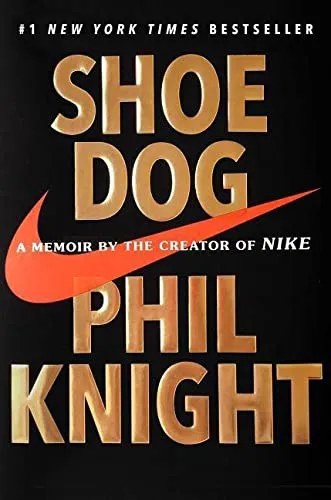
Cover of Shoe Dog by Phil Knight

Book 13 From the FAQ: biographies

Shoe Dog

by Phil Knight

Publisher
Scribner, 2016
Goodreads
4.45 of 5 from 396,245 ratings

Why read it

Phil Knight's memoir of starting Nike, from importing running shoes and selling them out of his car to taking the company public.

What people said

  • “Totally ebullient.”

    Kirkus Reviews, book review magazine kirkusreviews.com ↗

  • “But it's also a reminder that life is in the attempt.”

    Russ Bengtson, in his review for Complex complex.com ↗

Watch

Phil Knight Discusses His New Book 'Shoe Dog'Good Morning AmericaPhil Knight on the memoir at its launch, on Good Morning America.
Phil Knight discusses new memoir "Shoe Dog", and the early days of starting Nike (2016)Historic ConversationsKnight on the memoir and Nike's early days, 2016.
Cover of The Everything Store by Brad Stone

Book 14 From the FAQ: biographies

The Everything Store

by Brad Stone

Publisher
Little, Brown and Company, 2013
Goodreads
4.13 of 5 from 79,245 ratings

Why read it

A reported history of Amazon and Jeff Bezos, from the company's founding as an online bookshop onward.

What people said

  • “A must-add to any business bookshelf.”

    Kirkus Reviews, book review magazine kirkusreviews.com ↗

  • “Mr. Stone tells this story with authority and verve, and lots of well-informed reporting.”

    Michiko Kakutani, The New York Times, as quoted on the publisher's page hachettebookgroup.com ↗

  • “As fine a profile of a secretive, fast-growing company as you are likely to encounter.”

    Michael Moritz, chairman of Sequoia Capital, as quoted on the publisher's page hachettebookgroup.com ↗

Watch

The Everything Store: Jeff Bezos and the Age of Amazon | Brad Stone | Talks at Google`Talks at GoogleBrad Stone presents the book at Google, 2013.

Videos that compare the books

The 5 Best Startup Books For Entrepreneurs To Read In 2025Rick KettnerRick Kettner ranks five startup books, The Lean Startup, The Mom Test, The Hard Thing About Hard Things and Zero to One among them.

Get Sahin's Weekly Insights

Join 10,000+ founders and investors. One email per week with actionable advice on startups, investing, and building in the AI era.

No spam. Unsubscribe anytime.