Sahin Boydas
Random theme
Select theme
Back to all articles

My Go-To Books for Startup Founders

These are the books I rely on to navigate the challenges of building startups. They cover key business lessons and leadership insights every founder should know.

By #1 Most Active Angel Investor in 2024, per Lenny's Newsletter

Published 5 min read1,155 words

A startup founder's reading list should be a dynamic, curated collection of books that evolves with their journey. It should focus on foundational business principles, leadership, strategy, and personal growth, rather than just fleeting trends.

As an entrepreneur and investor, I'm often asked what founders should be reading. The sheer volume of business books can be overwhelming, and a scattered approach rarely yields the deep insights needed to work through the startup gauntlet. A well-structured reading list is not a static checklist; it's a strategic tool for continuous founder education.

H2: The Foundation: Timeless Business Principles

Before you get lost in the specifics of growth hacking or the latest tech fads, you need a solid foundation. These are the books that provide the bedrock of business acumen. They teach you the unchanging principles of how value is created, delivered, and captured.

1

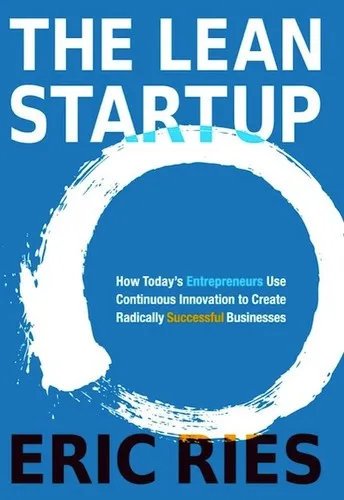
"The Lean Startup" by Eric Ries: This is non-negotiable. It provides the fundamental framework for building a business with minimal waste through validated learning. Understanding the build-measure-learn feedback loop is critical for any new venture.

2

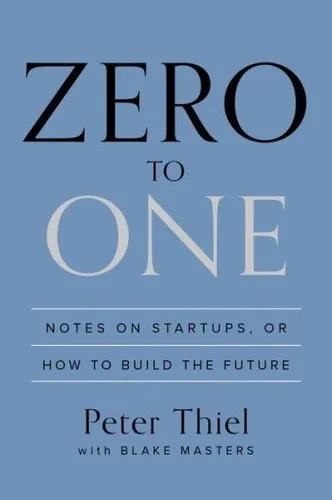
"Zero to One" by Peter Thiel: Thiel challenges you to think about creating something truly new. It's a masterclass in understanding monopolies, competition, and the importance of building a unique and defensible business.

3

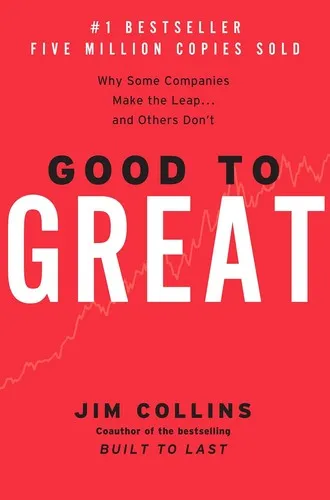
"Good to Great" by Jim Collins: While focused on larger companies, the principles of disciplined people, thought, and action are universal. The concepts of the "Hedgehog Concept" and the "Flywheel" are invaluable for any founder aiming for enduring success.

H2: Mastering Strategy and Execution

With the foundation in place, the next layer of your reading list should focus on how to translate principles into action. Strategy is about making choices, and execution is about making them happen. These books bridge that gap.

4

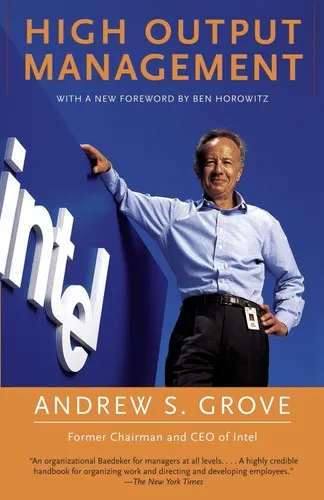
"High Output Management" by Andy Grove: As the legendary CEO of Intel, Grove provides a practical, no-nonsense guide to management. For founders who are transitioning from building a product to building a company, this book is a goldmine of actionable advice on meetings, decision-making, and team performance.

5

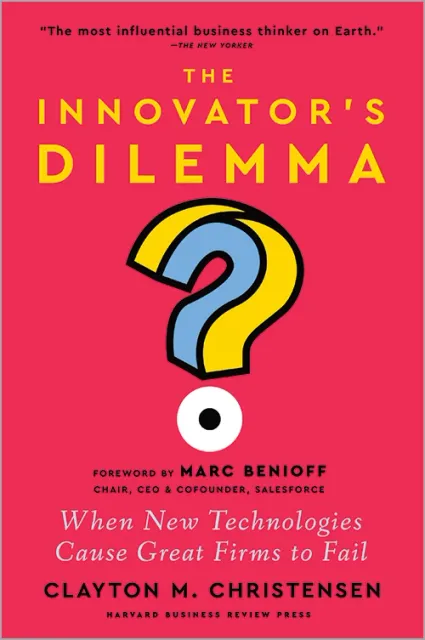
"The Innovator's Dilemma" by Clayton Christensen: Understanding disruption is key to both survival and opportunity. This book explains why great companies can fail when new waves of innovation appear and how startups can put to work this phenomenon. It's essential reading for anyone trying to carve out a new market.

Pro Tip: Don't just read these books—study them. Take notes, discuss the concepts with your co-founders or mentors, and actively look for ways to apply the lessons to your own business. A book on a shelf is knowledge; a book applied is wisdom.

H2: The Human Element: Leadership and People

A startup is nothing without its people. As a founder, you are the primary leader, and your ability to attract, motivate, and retain talent is paramount. This section of your reading list should be dedicated to the human side of the business.

6

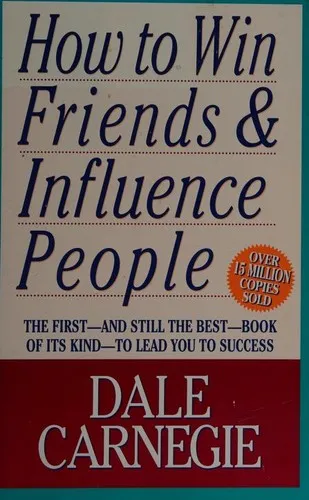
"How to Win Friends and Influence People" by Dale Carnegie: A timeless classic for a reason. Your success as a founder is directly tied to your ability to build relationships—with co-founders, employees, investors, and customers. For more on this, see my post on how to evaluate startup founders.

7

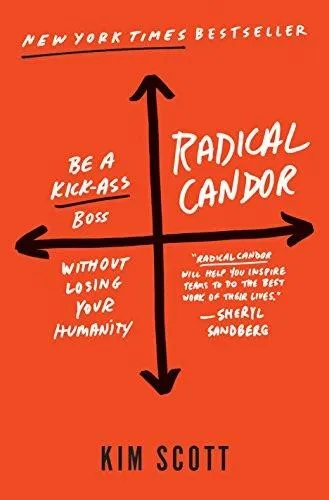
"Radical Candor" by Kim Scott: Building a culture of open and honest feedback is one of the greatest assets a startup can have. This book provides a simple but powerful framework for giving feedback that is both kind and clear, helping you build a stronger team.

H2: Scaling and Growth

Once you have a product, a strategy, and a team, the focus shifts to growth. This requires a different set of skills and a different way of thinking. Your reading list should evolve to include books that tackle the challenges of scaling.

8

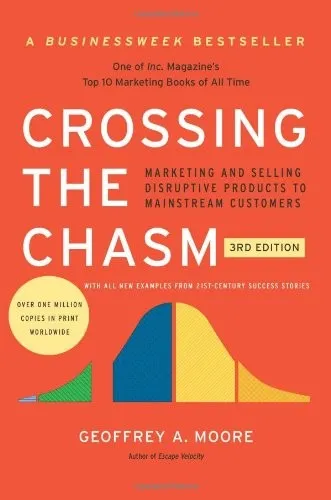
"Crossing the Chasm" by Geoffrey A. Moore: This book is the bible for marketing and selling disruptive products to mainstream customers. It provides a roadmap for dealing with the difficult transition from early adopters to the majority market.

9

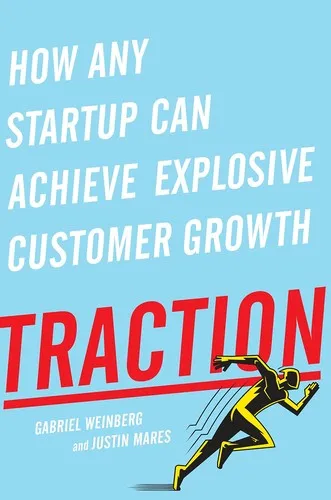
"Traction" by Gabriel Weinberg and Justin Mares: A practical guide to finding the marketing channels that will actually work for your business. It introduces the "Bullseye Framework" for identifying and testing various traction channels, which is an essential skill for any founder looking to grow their user base.

H2: The Founder's Mindset

Finally, the startup journey is a marathon, not a sprint. It will test your resilience, your discipline, and your mental fortitude. These books are about cultivating the right mindset to endure and thrive.

10

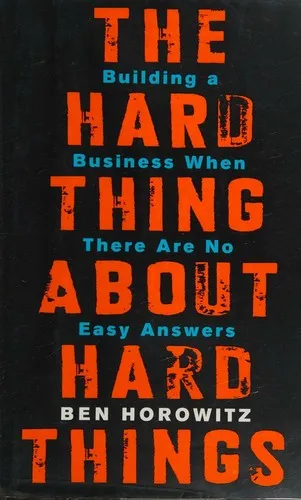
"The Hard Thing About Hard Things" by Ben Horowitz: Horowitz shares his unvarnished experience as a founder and CEO. It's a raw and honest look at the brutal realities of running a startup, offering invaluable advice on the lonely and difficult decisions that founders have to make.

11

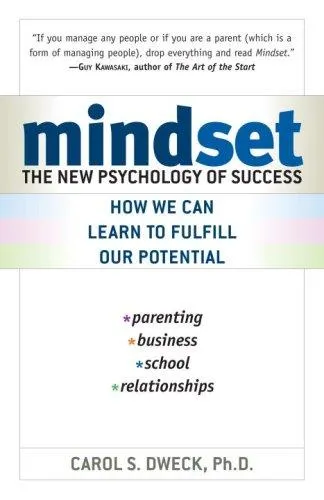
"Mindset: The New Psychology of Success" by Carol S. Dweck: Understanding the difference between a fixed and a growth mindset is transformative. As a founder, you will face constant setbacks, and a growth mindset is what will allow you to see them as learning opportunities rather than failures. This is a crucial part of developing a resilient startup culture.

Key Takeaway: Your reading list is a living document. Revisit it quarterly. As your company grows and your challenges change, so too should the books you are reading. The goal is not to read every business book ever written, but to read the right book at the right time.

Conclusion

Building a thoughtful reading list is one of the highest-use activities a founder can undertake. It’s a direct investment in your most important asset: your own knowledge and judgment. By focusing on these core areas, timeless principles, strategy, leadership, growth, and mindset, you can build a powerful intellectual toolkit that will serve you throughout your entrepreneurial career.

FAQ

Frequently Asked Questions

Q:How has this view evolved over time?

My thinking on most topics has changed significantly over the years. Early in my career, I held many conventional views that experience proved wrong. I try to update my beliefs when the evidence changes.

Q:What's the most common pushback you get on this?

People often push back by citing exceptions or edge cases. And they're usually right that exceptions exist. But building a strategy around exceptions rather than patterns is a losing game for most founders.

Q:Do all experts agree with this view?

No, and that's fine. The best ideas in business are often contrarian. I share my perspective based on my experience and data, but I encourage you to seek out opposing viewpoints and form your own conclusions.

Q:What experience informs this perspective?

This perspective comes from over a decade of building companies in Silicon Valley, two successful exits (RemoteTeam to Gusto, MovieLaLa to Gfycat), and investing in 234 startups including Anthropic, OpenAI, and Scale AI. I write about what I've lived.

Written by

Sahin Boydas

Serial entrepreneur, #1 most active angel investor (Lenny's Newsletter, 2024), author of Becoming Top 1%

The books, one by one

For each book: what named reviewers, investors and teachers said about it, its Goodreads rating and videos worth watching. Quotes are word for word from the linked page, read on 24 November 2026. Goodreads counts every edition of a book together.

Cover of The Lean Startup by Eric Ries

Book 01 Foundation

The Lean Startup

by Eric Ries

Publisher
Crown Business, 2011
Goodreads
4.11 of 5 from 377,807 ratings

Why read it

The build-measure-learn loop, the minimum viable product and validated learning: a method for testing a business idea before spending much on it.

What people said

  • “The principles in the The Lean Startup can be applied to all businesses, regardless of industry.”

    The Personal MBA, Josh Kaufman's book review site personalmba.com ↗

  • “Eric has created a science where previously there was only art.”

    Marc Andreessen, cofounder of Andreessen Horowitz; endorsement on the publisher's page penguinrandomhouse.com ↗

  • “Ries shows us how to cut through the fog of uncertainty that surrounds startups.”

    Tom Eisenmann, Harvard Business School professor; endorsement on the publisher's page penguinrandomhouse.com ↗

Watch

The Lean Startup | Eric Ries | Talks at GoogleTalks at GoogleEric Ries presents the book at Google.
Cover of Zero to One by Peter Thiel with Blake Masters

Book 02 Foundation

Zero to One

by Peter Thiel with Blake Masters

Publisher
Crown Business, 2014
Goodreads
4.14 of 5 from 425,815 ratings

Why read it

Questions about secrets, monopoly and durable advantage, and an argument for building something new instead of copying what exists.

What people said

  • “Each chapter of Zero to One offers fresh insight into how we can get our jetpacks more quickly.”

    Dan Mindus, in his review for Reason magazine reason.com ↗

  • “It's substantive and intelligent on the practical questions and provocative on the bigger ones.”

    Tom MacWright, software developer, on his blog macwright.com ↗

  • “Might be the best business book I've read”

    Derek Thompson, The Atlantic, as quoted on the publisher's page penguinrandomhouse.com ↗

Watch

Peter Thiel Returns to Stanford to Share Business Tips from "Zero to One"Stanford Law SchoolThiel back at Stanford, where the book began as a course, to talk through its ideas.
Zero to One: A Talk with Tech Visionary and Entrepreneur Peter ThielBrincA moderated talk with Thiel about the book.
Cover of Good to Great by Jim Collins

Book 03 Foundation

Good to Great

by Jim Collins

Publisher
HarperBusiness, 2001
Goodreads
4.12 of 5 from 318,061 ratings

Why read it

A study of companies that moved from good results to sustained great ones and what they had in common: Level 5 leadership, the Hedgehog Concept and the Flywheel.

What people said

  • “Still, Good to Great is the best new business book I have read this year.”

    John Kay, economist, in his 2001 review johnkay.com ↗

  • “It is also a pity that Collins’ only measure of performance is share price performance.”

    John Kay, economist, in the same review johnkay.com ↗

Cover of High Output Management by Andrew S. Grove

Book 04 Strategy and execution

High Output Management

by Andrew S. Grove

Publisher
Vintage, 1995 (first published 1983)
Goodreads
4.29 of 5 from 22,518 ratings

Why read it

Intel's former CEO on management as a craft: a manager's output is the output of the team, and meetings, one-on-ones and decisions are the tools.

What people said

  • “Ultimately, the power of High Output Management is that it creates experts rather than merely competent managers.”

    Ben Horowitz, cofounder of Andreessen Horowitz, in his foreword to the 2015 reissue a16z.com ↗

  • “An organizational Baedeker for managers at all levels.”

    The New York Times, as quoted on the publisher's page penguinrandomhouse.com ↗

  • “This is all true, obvious, and not actionable.”

    Yevgeniy Brikman, software engineer and author, in a critical review on his blog ybrikman.com ↗

Watch

Ben Horowitz on the Lessons He Learned From Intel's Andy GroveBloomberg OriginalsBen Horowitz on what he learned from Andy Grove, for Bloomberg.
Cover of The Innovator's Dilemma by Clayton M. Christensen

Book 05 Strategy and execution

The Innovator's Dilemma

by Clayton M. Christensen

Publisher
Harvard Business Review Press, 2024 (first published 1997)
Goodreads
4.04 of 5 from 64,083 ratings

Why read it

Why well-run companies lose to cheaper, simpler products they had good reasons to ignore: Christensen's theory of disruptive technologies, set out in full.

What people said

  • “… one of the most influential and widely cited explanations for why technology companies rise and fall.”

    Aaron Pressman, Fortune, writing about Christensen's theory in 2020 fortune.com ↗

  • “Named by the Economist as one of the six most important books about business ever written.”

    Harvard Business Review Press, the publisher, on its page for the book store.hbr.org ↗

Watch

Clayton Christensen on How to Build a Disruptive Business (The Innovator's Dilemma)Startup GrindChristensen on the book's theory of disruption, at Startup Grind.
Clayton Christensen: Disruptive innovationSaïd Business School, University of OxfordChristensen's lecture on disruptive innovation at Oxford's Saïd Business School.
Cover of How to Win Friends and Influence People by Dale Carnegie

Book 06 Leadership and people

How to Win Friends and Influence People

by Dale Carnegie

Publisher
Pocket Books, 1998 (first published 1936)
Goodreads
4.21 of 5 from 1,206,035 ratings

Why read it

Carnegie's 1936 classic on dealing with people: showing real interest, listening, and winning people over without arguing.

What people said

  • “… is widely considered one of the most influential books ever written.”

    Olive Keogh, The Irish Times, 2017 irishtimes.com ↗

Watch

69 TIP: How to Win Friends and Influence PeoplePreston PyshThe Investor's Podcast hosts discuss the book and its link to Warren Buffett.
Cover of Radical Candor by Kim Scott

Book 07 Leadership and people

Radical Candor

by Kim Scott

Publisher
St. Martin's Press, 2017
Goodreads
4.04 of 5 from 62,766 ratings

Why read it

A framework for feedback: care personally and challenge directly, and what goes wrong when a manager does only one of the two.

What people said

  • “Radical candor stems from the conviction that interpersonal relationships are the currency of management.”

    Theodore Kinni, in his review for strategy+business strategy-business.com ↗

  • “The challenge is that she’s seeking to elevate a very good and useful idea into a full-blown management philosophy.”

    Theodore Kinni, in the same review strategy-business.com ↗

Watch

Radical Candor In 6 Minutes With Kim ScottRadical Candor®Kim Scott explains the framework in six minutes.
The Power of Radical CandorThe Next Big Idea PodcastKim Scott on the book's main lessons, on the Next Big Idea podcast.
Cover of Crossing the Chasm by Geoffrey A. Moore

Book 08 Scaling and growth

Crossing the Chasm

by Geoffrey A. Moore

Publisher
HarperBusiness, 2014 (first published 1991)
Goodreads
4.03 of 5 from 32,635 ratings

Why read it

How technology products get from early adopters to the mainstream market, and why many stall in the gap between the two.

What people said

  • “If you want to understand the technology adoption lifecycle, Crossing the Chasm is a must-read.”

    Quentin Lintz, in his review on Substack, 2024 universalset.substack.com ↗

Watch

Geoffrey Moore on finding your beachhead, crossing the chasm, and dominating a marketLenny's PodcastGeoffrey Moore on the book's core ideas, on Lenny's Podcast.
How to Cross the Chasm: An Interview with Geoffrey MooreTop Founders with Nathan LatkaAn interview with Geoffrey Moore about crossing the chasm.
Cover of Traction by Gabriel Weinberg & Justin Mares

Book 09 Scaling and growth

Traction

by Gabriel Weinberg & Justin Mares

Publisher
Portfolio, 2015 (first published 2014)
Goodreads
4.11 of 5 from 9,917 ratings

Why read it

Nineteen channels for getting customers, and the Bullseye framework for picking and testing the ones that fit your company.

What people said

  • “The question every founder asks after shipping is always: how do I get traction? This book actually answers it.”

    Alexis Ohanian, cofounder of Reddit; endorsement on the publisher's page penguinrandomhouse.com ↗

  • “The entrepreneurs who walk out of our offices with term sheets walk into them with Traction”

    Fred Wilson, partner, Union Square Ventures; endorsement on the publisher's page penguinrandomhouse.com ↗

  • “This book was thoroughly underwhelming.”

    Michael Lynch, software developer, in a critical book report mtlynch.io ↗

Cover of The Hard Thing About Hard Things by Ben Horowitz

Book 10 The founder's mindset

The Hard Thing About Hard Things

by Ben Horowitz

Publisher
HarperBusiness, 2014
Goodreads
4.19 of 5 from 117,535 ratings

Why read it

What running a company under real pressure looks like, from a founder and CEO who lived it: layoffs, firing executives and managing your own psychology.

What people said

  • “Rather than focusing on the positive aspects of the experience, he highlights the difficulties of managing a company”

    Lighter Capital, startup financing company, in its review of the book lightercapital.com ↗

  • “Ben's book is a great read”

    Larry Page, cofounder of Google, as quoted on Andreessen Horowitz's page for the book a16z.com ↗

  • “The most valuable book on startup management, hands down.”

    PandoDaily, tech news site, as quoted on Andreessen Horowitz's page for the book a16z.com ↗

Cover of Mindset by Carol S. Dweck

Book 11 The founder's mindset

Mindset

by Carol S. Dweck

Publisher
Ballantine Books, 2007 (first published 2006)
Goodreads
4.09 of 5 from 184,343 ratings

Why read it

The psychologist behind the fixed and growth mindsets explains the difference and what it changes in how people respond to setbacks.

What people said

  • “One of the most influential books ever about motivation.”

    Po Bronson, author of NurtureShock; endorsement on the publisher's page penguinrandomhouse.com ↗

  • “If you manage people or are a parent (which is a form of managing people), drop everything and read Mindset.”

    Guy Kawasaki, author of The Art of the Start; endorsement on the publisher's page penguinrandomhouse.com ↗

  • “Everyone should read this book.”

    Chip Heath and Dan Heath, authors of Made to Stick; endorsement on the publisher's page penguinrandomhouse.com ↗

Watch

The Growth Mindset | Carol Dweck | Talks at GoogleTalks at GoogleCarol Dweck on growth mindset research, at Google.
The power of believing that you can improve | Carol Dweck | TEDTEDDweck's TED talk on the idea behind the book.

Videos that compare the books

The 5 Best Startup Books For Entrepreneurs To Read In 2025Rick KettnerRick Kettner ranks five startup books, The Lean Startup, The Mom Test, The Hard Thing About Hard Things and Zero to One among them.
Top 10 Books for EntrepreneursValuetainmentPatrick Bet-David counts down his ten books for entrepreneurs, How to Win Friends and Influence People among them.

Get Sahin's Weekly Insights

Join 10,000+ founders and investors. One email per week with actionable advice on startups, investing, and building in the AI era.

No spam. Unsubscribe anytime.